Country guide
Mexico for nomads: cards, cash and crypto tax
By DmytroLast checked
- Currency
- MXN
- Crypto tax
- Crypto sales fall under ISR
- Tax residence test
- Home in Mexico; centre of vital interests
- Remote-work stay
- Temporary Resident (immigration status only)
Short answer
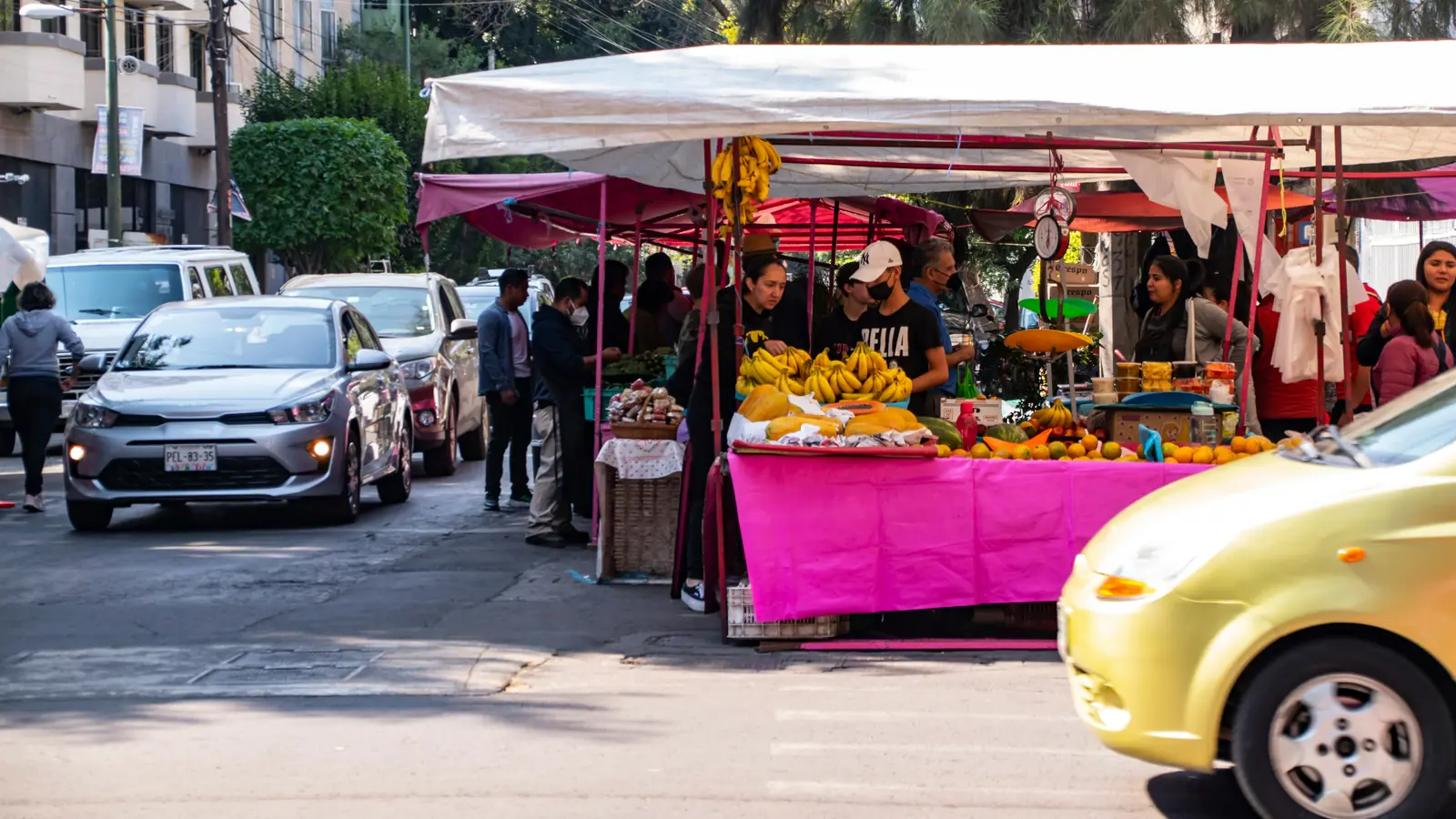
Cards work widely in Mexican cities and tourist areas, but markets, small eateries, transport and tips run on cash, so carry pesos (MXN) every day.
Tax residence starts with having a home in Mexico, and Banxico rules keep crypto exchange and custody out of banks’ client services, so you buy and hold crypto through a separate provider.
Crypto card availability
Under Banxico Circular 4/2019, covered banks and financial-technology institutions may use virtual assets only in authorised internal operations. That authorisation excludes offering clients crypto exchange, transmission or custody.
Crypto cards come from crypto providers with regional programs. Bybit Card, for example, lists MXN among its regional card currencies (global fee table, as of 26 Sep 2026).
Paying on the trip
Pay by card where you can and plan cash separately; fixed per-withdrawal fees make fewer, larger withdrawals cheaper.
Banks and cards
Mexican banks set their own document list for foreign clients, covering immigration status, identity, address and tax registration. Ask for that list before you apply, and keep your home accounts active while checks run.
Temporary Resident status and a bank account are separate steps: the visa gives you the right to stay, and the bank decides on the account.
Currency, ATMs and cash
Withdraw at machines in secure, well-lit places, check the card slot for tampering and decline help from strangers.
Read the operator fee and the conversion on screen before you confirm, and add your own issuer’s fee. Check per-withdrawal and daily limits before planning your cash.
Keep a peso reserve for a few days of essentials, stored apart from your cards.
Crypto rules
Your own crypto activity runs through the exchange’s terms, anti-money-laundering checks and Mexican income tax (ISR).
PRODECON, the taxpayer ombudsman, published a preliminary study on the tax nature of cryptocurrencies in November 2021. An ISR exemption applies to a crypto sale only where the law’s conditions fit your transaction and tax year.
Tax and residency
Mexico has no simple 183-day test. Under Article 9 of the Federal Tax Code, a home in Mexico makes you resident; with homes in Mexico and abroad, your centre of vital interests decides, including Mexican-source income and where your main professional activity is.
Temporary Resident is an immigration status; tax residence follows Article 9 and any tax treaty.
Checklist
- Keep evidence of where your home, income and main professional activity are.
- Record cost, proceeds and date for every crypto sale or swap.
Sources
- Circular 4/2019 relativa a las Disposiciones de carácter general aplicables a las Instituciones de Crédito e Instituciones de Tecnología Financiera en las Operaciones que realicen con Activos Virtuales — Banco de México / Diario Oficial
- Acciones regulatorias por parte del Banco de México — Banco de México
- Conoce el estudio preliminar sobre la naturaleza fiscal de las criptomonedas — PRODECON
- Código Fiscal de la Federación, Article 9 — Cámara de Diputados
- Fees and Limits (Bybit Card) — Bybit
Tax, visa and residence rules depend on your situation, so confirm them with the official authority. How we compare