Country guide
Thailand for nomads: ATM fees, DTV visa and 180-day tax
By DmytroLast checked
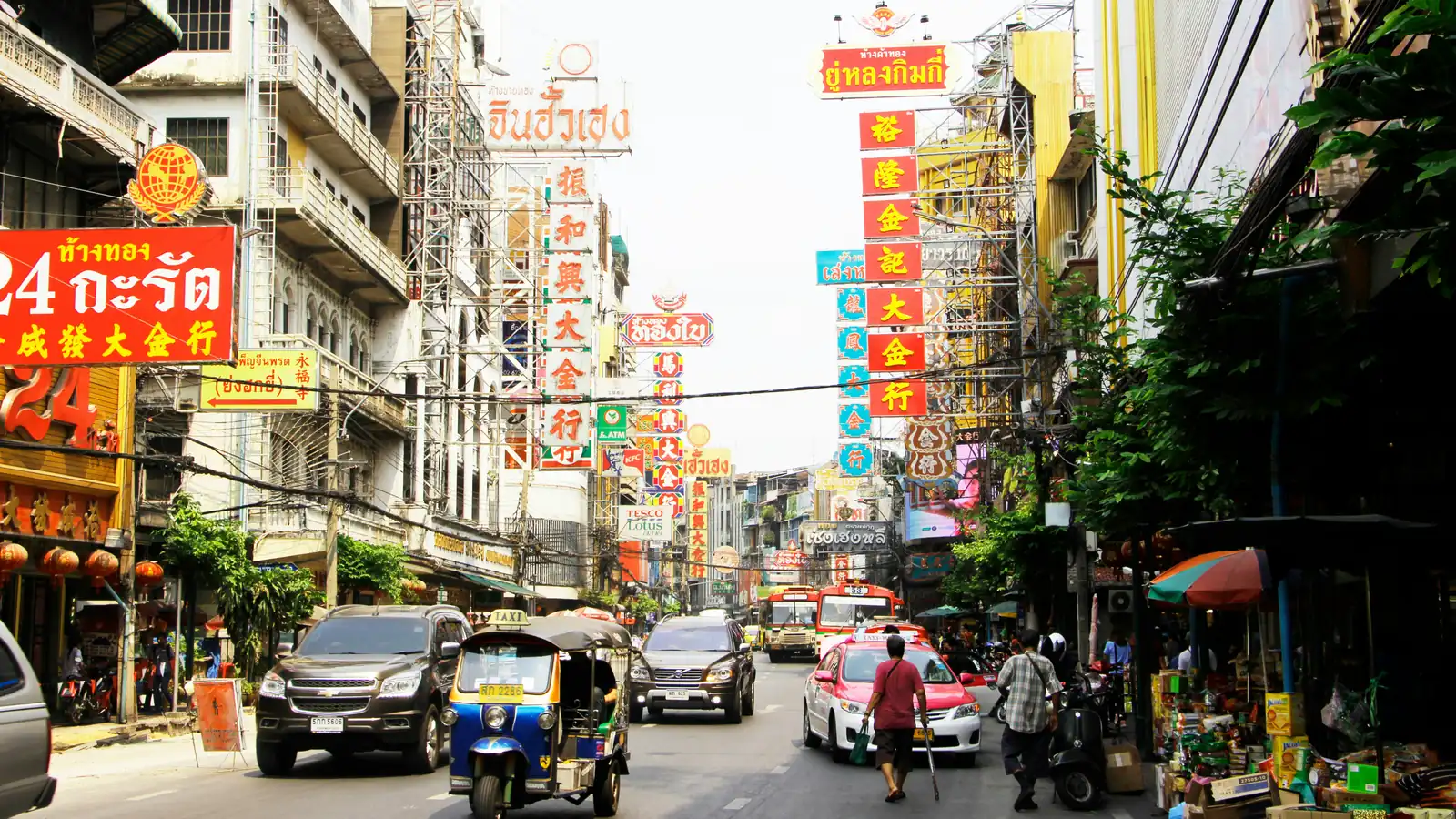
- Currency
- THB
- Crypto tax
- Residents: foreign income from 2024 taxed when brought in
- Tax residence test
- 180 days in a calendar year
- Remote-work stay
- DTV: up to 180 days per entry, 500,000 THB in funds
Short answer
At Kasikornbank ATMs, a withdrawal with a foreign Visa or UnionPay credit card costs 250 THB and with a Mastercard credit card 350 THB (as of 10 Oct 2026), so fewer, larger withdrawals cost less. Pay in baht: TouristDigiPay, the SEC sandbox for visitors, converts digital assets into THB e-money. The Destination Thailand Visa (DTV) allows up to 180 days per entry, and 180 days in a calendar year makes you a Thai tax resident.
Crypto card availability
The SEC’s TouristDigiPay sandbox lets visitors convert digital assets into THB and spend through e-money, so the merchant receives baht. The program sets the participating providers and eligibility.
Crypto card availability follows each provider’s residence rules.
Paying on the trip
Issuer fraud checks can block a card on an unusual travel pattern, so bring a second card from a different bank.
Keep an eSIM or roaming active so you can approve payments and reach support.
Banks and cards
Some Thai financial services ask for local ID, a Thai phone number or residence details, so visitors usually rely on foreign cards.
Wise personal accounts registered in Thailand are moving to locally regulated features during 2026. Wise lists rollout limits of 800,000 THB a day for outward international transfers, 30,000 THB a day for account payments and transfers at first, and no domestic ATM withdrawals with the Thailand-linked Wise card (as of 21 Sep 2026).
Currency, ATMs and cash
Kasikornbank’s fee table, in force since 20 May 2026, lists 250 THB per K-ATM cash withdrawal with an international Visa or UnionPay credit card and 350 THB with a Mastercard (as of 10 Oct 2026). Your own issuer’s ATM fee and FX markup come on top.
Cash is useful for small shops, transport and local services; carry only what you are comfortable holding.
Decline dynamic currency conversion and pay in baht, unless your card’s own terms show conversion by the terminal is cheaper.
Crypto rules
The Thai SEC sets the licensing rules for digital asset exchanges, brokers and dealers and lists the licensed operators; buy and sell crypto through them.
In December 2021 the Bank of Thailand and other agencies set out guidelines on using digital assets as payment for goods and services.
Tax and residency
You are a Thai tax resident if you spend 180 days or more in Thailand in a calendar year. Income from work done in Thailand is taxable wherever it is paid.
Foreign-source income earned from 1 January 2024 by a resident is taxed when it is brought into Thailand, even in a later year. Foreign income earned before 2024, or in a year you were not resident, stays untaxed when you bring it in.
The DTV, for remote workers, freelancers and other listed purposes, is valid for five years and allows up to 180 days per entry. It asks for at least 500,000 THB in financial assets, and the embassy in Budapest accepts bank statements, payslips or sponsorship letters but not crypto or investment statements (as of 10 Oct 2026). It is a special tourist visa, so it gives no Thai work permit.
Checklist
- Read the fee on the ATM screen and withdraw larger amounts to limit the flat charge.
- Turn on travel settings and check fraud controls with your card issuer.
- If your Wise account is registered in Thailand, check the 2026 limits before you move or receive money.
- For a DTV application, prepare six months of official bank statements.
- Count your days in Thailand each calendar year against the 180-day threshold.
Sources
- Digital Asset Business Operators — Securities and Exchange Commission Thailand
- Bank of Thailand and Relevant Agencies Discuss Guidelines on Usage of Digital Assets as Payment for Goods and Services — Bank of Thailand
- TouristDigiPay: conversion to THB through e-money — Thailand SEC
- How do foreigners living in Thailand pay tax? — Thailand Revenue Department
- Upcoming changes to your Wise account in Thailand — Wise
- Announcement Table 3: Service fees, fines for deposits, loans and other service charges (effective 20 May 2026) — Kasikornbank
- Destination Thailand Visa (DTV) — Royal Thai Embassy, Budapest
Tax, visa and residence rules depend on your situation, so confirm them with the official authority. How we compare